-
Ensure that you choose the best coffee grinder for your church
Choosing the correct coffee grinder for your church’s coffee ministry is critical. The way coffee is ground affects the brewing process, and different coffee brews necessitate different grinds. If you want to serve wonderful church coffee, make sure the coffee grind matches the brewing method you’re going to use.
A coarser ground coffee is excellent if you’re planning to utilize a brewing method that exposes the coffee grounds to the heated water for a long time, such as a french press. This method of brewing will produce a bitter cup of coffee if you use too fine a coffee grind. A coarsely ground coffee, on the other hand, will be weak and flavorless if it is not exposed to the boiling water for long enough.
First and foremost, you must determine whether it is even worthwhile for your church coffee ministry to handle its own grinding. To make the process easier, you might use coffee that has already been ground. Fresh ground coffee, on the other hand, will always make a better cup of coffee. If you’re going to grind your own coffee, which I highly recommend, you’ll need to start with the correct grinder.
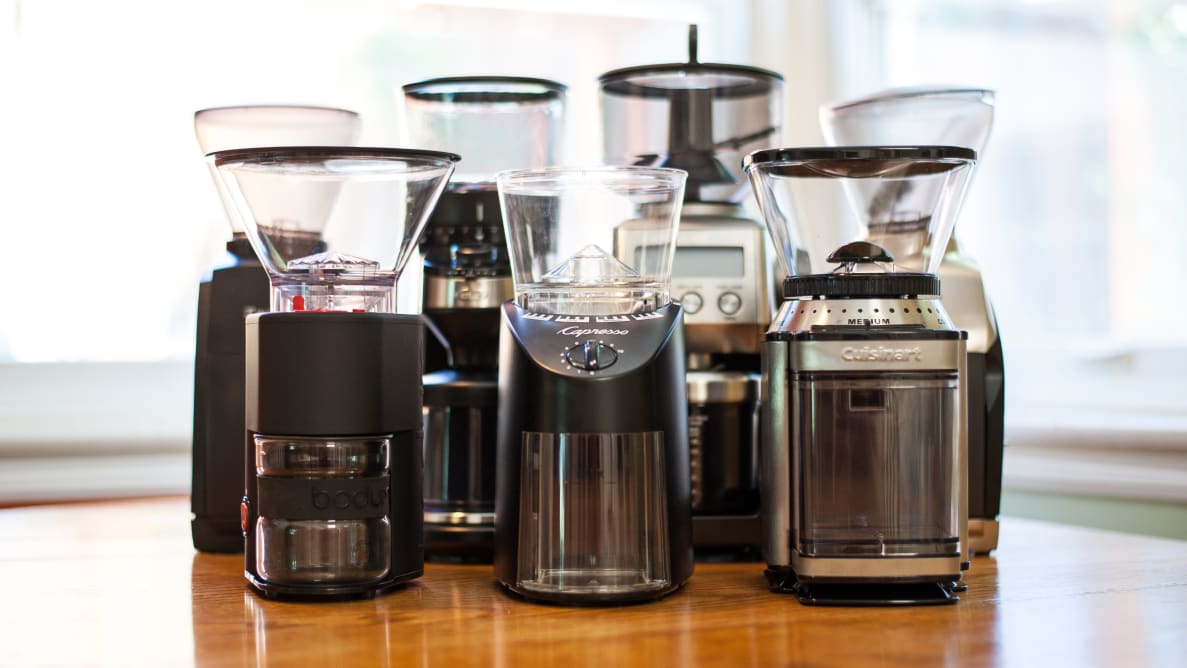
Let's begin with the fundamentals. You can choose between two major types of coffee grinders:
Blade Grinders - Due to their low cost, these are the most commonly used grinders in people’s homes. The beans are chopped using a metal blade. The majority of them feature a setting that allows you to control how finely the beans are chopped dependent on how long the grinder runs. However, because the size of the grinds varies so much, the brew quality can be unpredictable. Also, due of the heat caused by the blades, if portions of the grounds sit near the blade for too long, they will develop a burned taste. Blade grinders are wonderful for basic coffee consumers, but they aren’t the ideal option for the high-quality results you want at your church.
Burr Grinders - Unlike its bladed cousins, burr grinders work in a different way. They work with a rotating grinding wheel and a stationary surface. The beans are gravity-fed into the grinder from a hopper above it. The size of the ground is determined by the setting/positioning of the grinding wheel. This results in a more controlled and consistent coffee grind. There are two sorts of burrs in the category of burrs:
Wheel Burr Grinders are the more affordable of the two. Because the wheel may spin quite quickly, these grinders are noisy and dirtier. It’s also possible that they’ll be more difficult to clean.
Burr Grinders with Conical Burrs - These are the greatest burr grinders available. They work in the same way as a wheel burr grinder. They have the least amount of friction of any grinder, resulting in a less burnt grind. They keep the coffee oils in tact, resulting in the best-tasting coffee. They can also be difficult to clean, yet they are still preferable than the alternatives. This is what the top coffee makers use, and it’s what separates good coffee from amazing coffee.
Another important factor to consider when buying a coffee grinder for your church is the pricing. Coffee grinders are available in a variety of pricing ranges. They can range in price from $20 for a basic blade grinder to over $1,000 for a professional grade grinder like one seen in a coffee shop. Your church will most likely choose a grinder that is in the middle to low price range. Typically, churches will only use their grinder a couple times per week at most. If you intend to start a daily coffee shop and bookstore, I recommend investing in a professional grade grinder that can withstand continual usage.
You should also have two grinders on available, one for regular coffee and the other for flavored coffee. Flavor extracts incorporated into the beans are nearly impossible to avoid carrying over into the next batch of unflavored coffee you grind. Some coffee grinders even include two hoppers to separate different roasts and flavors of coffee.
I propose acquiring an excellent coffee grinder if you want to prepare a delicious cup of coffee for your church members and guests while encouraging contact and fellowship. It will raise the quality of your church coffee and have a favorable impact on any members of your congregation who enjoy a nice cup of coffee. God bless you and your efforts to grind coffee!
-
In coffee grinder reviews, the best features to look for are
Gourmet coffee aficionados all over the world go to great pains to find the “ideal” coffee bean grinder to match with their coffee maker. The grind of coffee beans is critical to a tasty cup of coffee, whether in a commercial institution or in the home kitchen. The following five characteristics of the ideal grinder may assist the connoisseur in selecting the best grinder for their needs. There are many options, but finding a good grinder will provide you years of enjoyment.
Today’s generation is growing up drinking coffee instead of breakfast, with lunch, from vending machines at work, in conference rooms, even for free in grocery stores, thanks to the growing popularity of designer coffee bars. With so much to compare it to, a state-of-the-art gadget for grinding beans for designer brews and espresso must now be included in the home kitchen.
Beans Are Stored
Commercial and high-end domestic coffee grinders include a larger hopper for ground bean storage, which is not present in smaller grinders. A coffee bean grinder with a hopper large enough to hold at least eight ounces of beans for an entire day’s worth of coffee is a useful feature. Another factor to consider is the static charge generated by burrs during grinding, which causes grounds to stick to the hopper’s inside. Static electricity is less of an issue with glass pieces, which certain companies offer. The coffee brand, on the other hand, has a lot to do with static. Static can be reduced by using a dry roasted (less oily) brand like Lavazza or Gaggia.

Blades vs. Burrs
The efficiency of a coffee maker is determined by the grinder’s design and capabilities. Blade grinders that are less expensive are frequently chosen by the average household. They can adequately grind coffee beans and, like small windmills, remain spinning and grinding until shut off. When they survive off brewed coffee at work, the always-late-out-the-door types who only get that ‘one big sip’ before hurrying off to work see no need for complex grinders.
Because of the heavier-duty mechanics and precision functioning, burr grinders would be regarded an upgrade from domestic blade grinders in terms of both cost and performance. Burr grinders are also more durable, owing to the fact that they only grind the coffee once (and do it well) before dumping it into the storage hopper. Unlike a blade grinder, which has consistent contact with the whole quantity of coffee beans being ground, a burr grinder’s wear occurs during the relatively brief grinding session on the tiny amount of beans allowed between the burrs at one time.
Conical burr grinders produce the most consistent grind, and many coffee connoisseurs swear by them for their ‘perfect cup.’ While cost is a consideration, few wise shoppers would make an exception in this case. Burr grinders are the indisputable champions of long-lasting coffee grinders. Read further information here in this link.
Cost
A mid-priced blade grinder will set you back $20-$49, whereas burr grinders would set you back more. Burr grinders can feature flat or conical burrs, with conical burrs preferable since the RPM speed is changeable and can be adjusted to preserve the bean flavor without burning, resulting in more precise, quieter, and cleaner grinding. The low speed reduces the heat generated by grinding friction, which can degrade the coffee’s flavor and aroma.
Housing
Commercial burr grinders are known for their heavy-duty construction and classic contemporary styling, and they can last for 10-15 years with only occasional burr replacement. Manufacturers have extended this to their residential models as well, employing cast metal or stainless steel housings. Many commercial manufacturers, such as Rancilio and Mazzer, are now competing with Gaggia in the residential market, with the high-quality small-to-medium sized Mazzer Mini and Rancilio’s slightly smaller version of their commercial burr grinders, the Rancilio ‘Rocky,’ for families with multi-cup latte or cappuccino habits.
Options
Burr grinders require a larger engine and, as a result, have a larger footprint than blade grinders. There are manual grinders with smaller footprints, but they are less popular than electric grinders. Burr grinders require more disassembly and cleaning than wipe-down blade grinders, and usually necessitate some disassembly and cleaning with picks and a brush.
Some grinder models, for a modest additional cost, provide dosers for the frequent espresso user. Espresso burr grinders range in price from around $100 to about $700 for the most costly model with all the bells and whistles. The Rancilio ‘Rocky,’ which costs around $350, and the Gaggia MDF, which costs just under $300, are two mid-priced residential brands with near-commercial quality. Grinders for commercial use can cost anything from $500 to over $3,000.
subscribe via RSS